
-
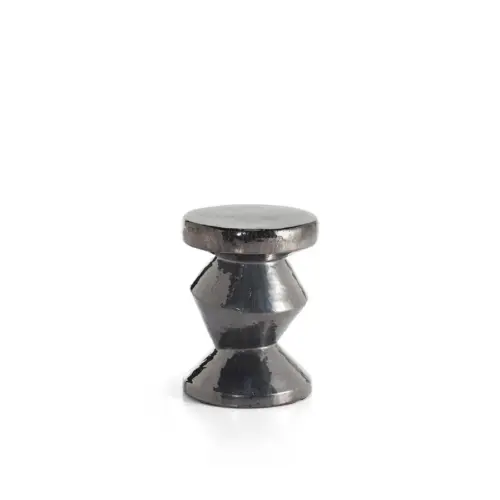
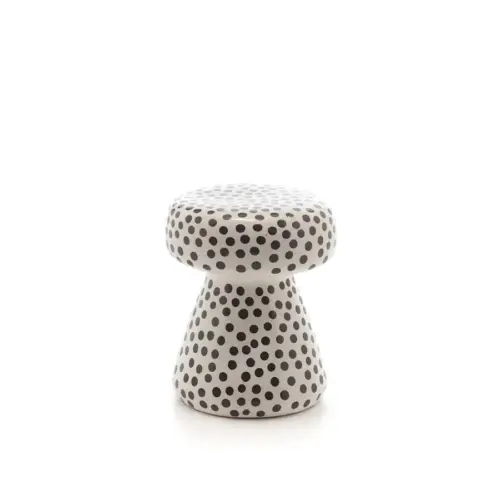
The Inout 47/48/49 family of coffee tables and poufs made of white or anthracite grey GFRC concrete are distinguished by their essential character: available in different heights, they have an asymmetrical totem structure, with a round tabletop, to give rise to products of sophisticated essentiality.
-
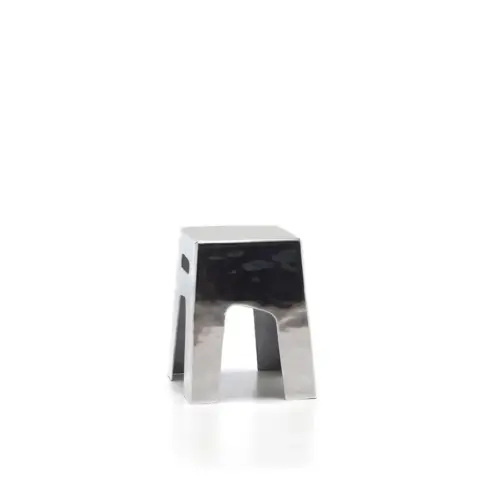
The Inout 45/46 family of aluminum coffee tables comes in two different sizes. These rectangular tables feature a special aluminum finish that creates a mirror effect, allowing light to reflect off the surfaces and generating ever-changing visual appeal. They are not guaranteed for outdoor use.
-
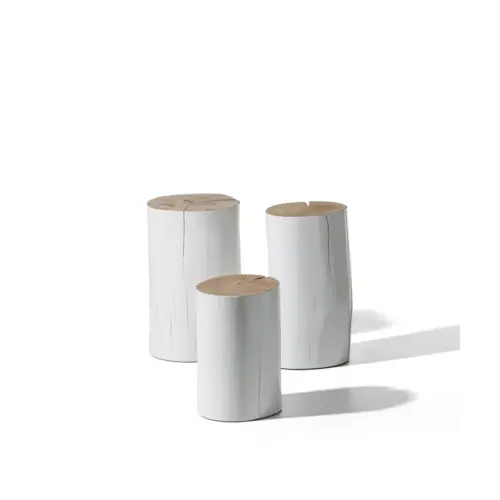
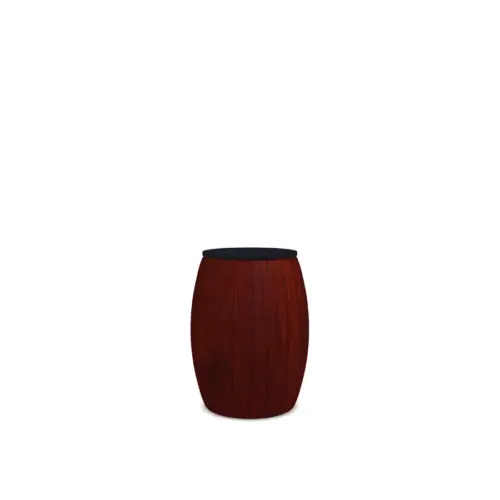
Sections of beech tree trunks, debarked and lacquered in glossy black or white on the exterior, give rise to a family of unconventional coffee tables and poufs that lend a natural appeal to any interior. With the characteristic cylindrical shape of the trunks, they are available in three sizes, S, M, and L, and feature cracks, typical of living wood, highlighting Gervasoni's respect for the nature and quality of the materials.
-
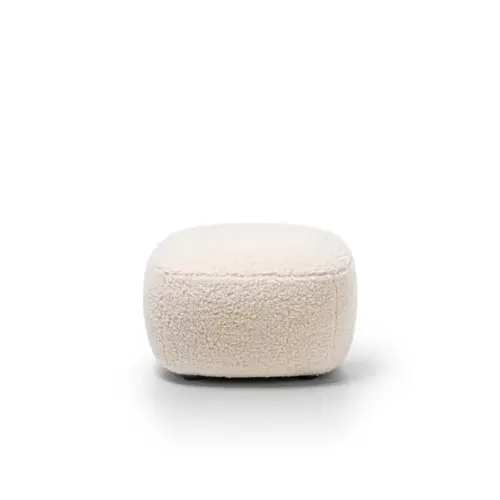
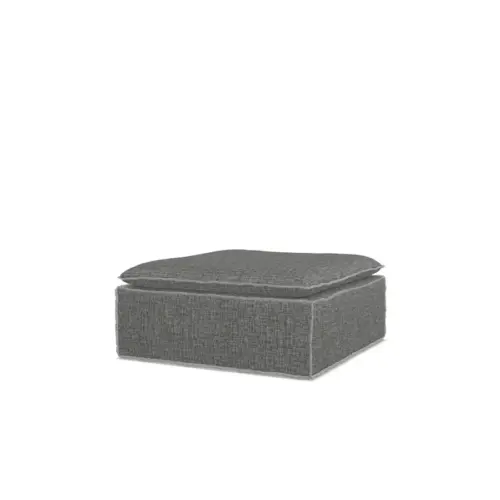
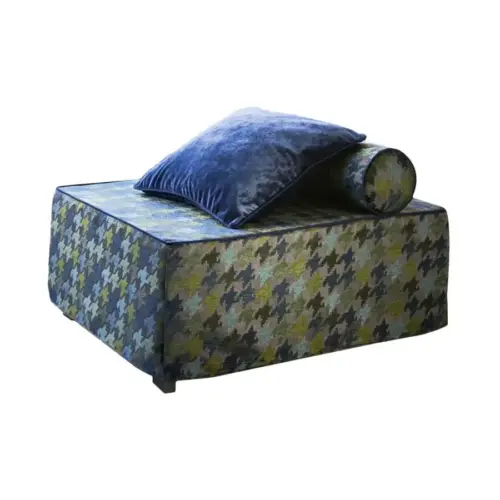
The soft, comfortable shapes of poufs 28 and 29 are defined by the French-stitched profile, a signature feature of the LOLL collection. Suitable for both residential and commercial spaces, they are available in two sizes: 105x105xh45 cm and 140x140xh45 cm. The larger size comes with a weighted cushion that serves as a backrest, making both poufs ideal for pairing with the collection's sofas.
-
Exotic and colorful, the News family of coffee tables/ottomans, with their cylindrical shape, are made from pressed and painted blue newspaper sheets, with a glossy black lacquered MDF top. These versatile decorative accessories utilize recycled materials through the revival of a traditional craft technique.
-
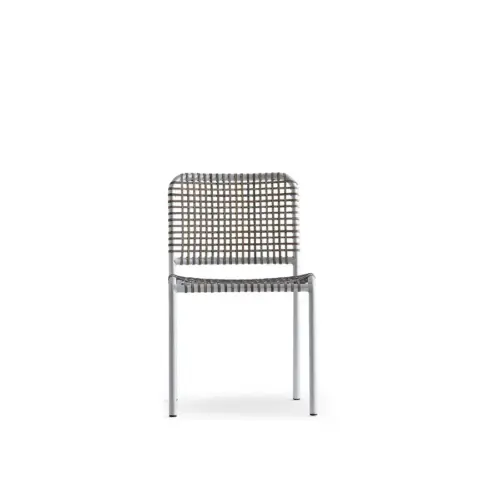
Versatile and comfortable, the Allu chair family combines the lightness and essentiality of an anodized aluminum tube frame with a dynamic interplay of textures, created by the natural or gray parchment weave. Capable of integrating seamlessly into any setting, from residential to commercial, Allu is characterized by clean lines and essential geometric forms, and is available in two versions: chair and armchair.
-
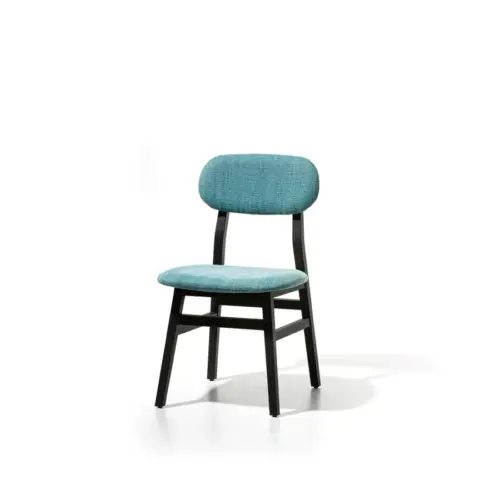
Attractive Nordic design and industrial touches bring the Brick 221/223 chair family to life. With a simple, clean frame in solid Canaletto walnut with a natural finish or beech lacquered in white, gray, black, ocean, or dove gray, they feature padded backrests and seats for exceptional comfort. Available in two backrest options: a smaller, more modest one, and another with a longer, slightly curved, enveloping backrest.
-
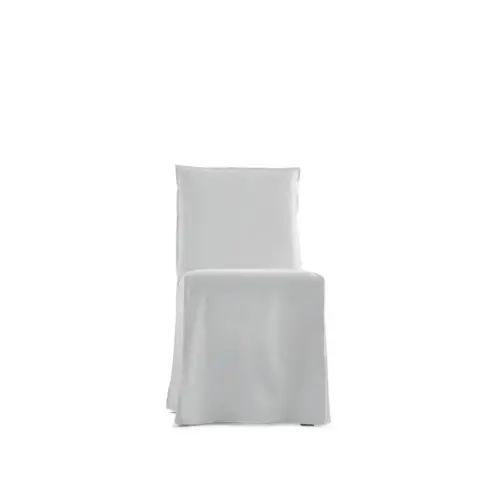
Chairs with and without arms that feature a minimalist structure with clean, defined geometric shapes. The Ghost chair family has a wooden frame combined with expanded polyurethane upholstery. The key feature of the Ghost chairs is the removable cover, an oversized cover whose profile is highlighted by visible stitching, allowing the chairs to be removed and replaced in an instant. It is a textile design that easily changes the look, allowing you to go from a formal look to an informal one easily and quickly.
-
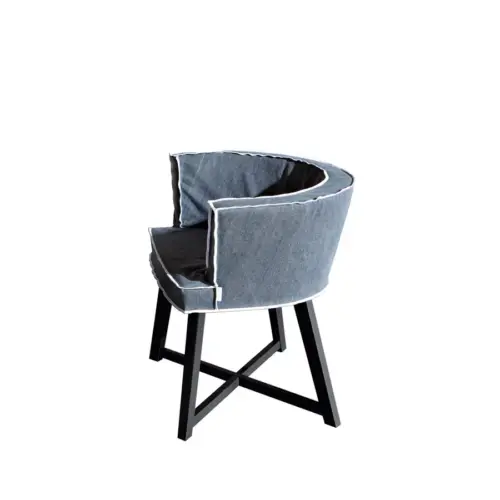
The Gray 26/27 dining chair family features a wraparound, semicircular backrest and is available with upholstered seat and back cushions, removable covers, and visible stitching. The solid wood legs intersect to form a cross. The frame is crafted from natural-painted Canaletto walnut, bleached oak, or oak lacquered in white, gray, black, ocean, or dove gray.
-
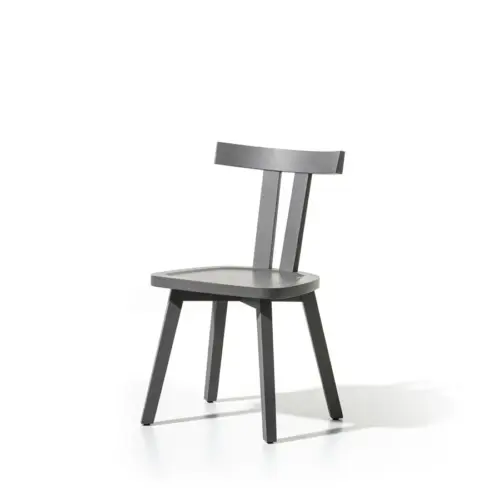
The Gray 23 chair is defined by its distinctive, minimalist backrest: three large wooden slats, two vertical and one horizontal at the top, that embrace the seat. The frame, made of natural-painted Canaletto walnut, bleached oak, or oak lacquered in white, gray, black, ocean, or dove gray, can be fitted with an optional seat cushion for added comfort.
-
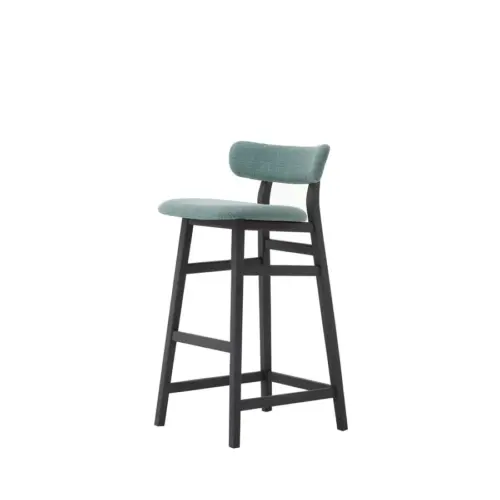
Attractive Nordic style and industrial touches bring the Brick 228 stool to life. With a simple and clean structure made of solid Canaletto walnut painted natural or beech lacquered in white, gray, black, ocean or dove gray, it has a wraparound, elongated and slightly curved backrest and a padded seat for marked comfort.
-
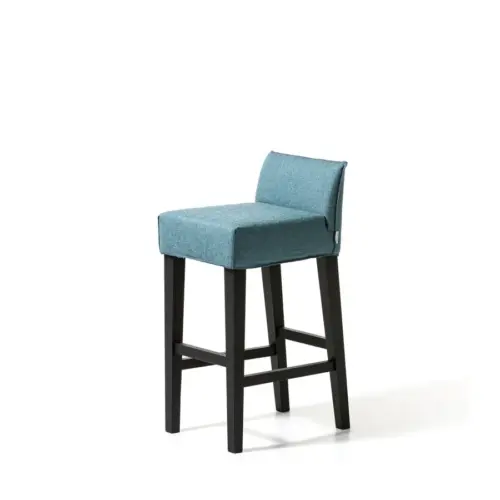
The Up stool features a frame in natural painted Canaletto walnut or lacquered beech in white, gray, ocean, dove gray, or black. It's a low-backed stool, small in size relative to its deep seat, both filled with expanded polyurethane. The removable cover, with visible stitching that outlines the product's shape, can be made with any cover from the catalog, offering maximum versatility.
-
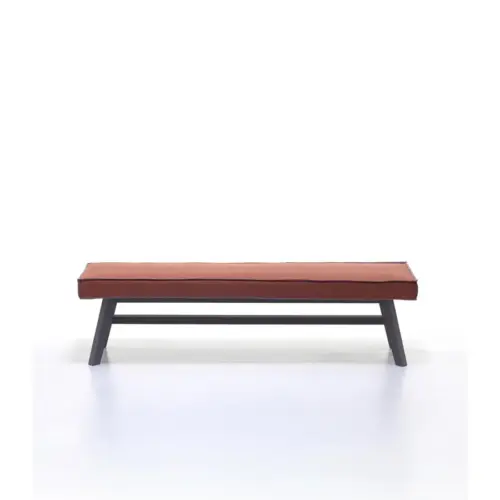
A classic and simple piece of furniture, the Gray 15 bench features a seat filled with expanded polyurethane foam, with a removable cover embellished by visible stitching that further accentuates the strong geometric lines of this piece. The frame is available in natural painted Canaletto walnut; bleached oak; or oak lacquered in white, gray, black, ocean, or dove gray.
-
A reinterpretation of the classic oriental bed, the Kubo floor bed embodies the concept of transformation: the removable slatted base, concealed beneath the folding mattress, slides out with a simple movement, transforming it from a pouf to a single bed and from a sofa to a double bed. This space-saving solution, thanks to its versatility, is ideal for any size room, from the living room to the study or bedroom. The wooden frame is available in gray, black, white, ocean, or dove gray.
-
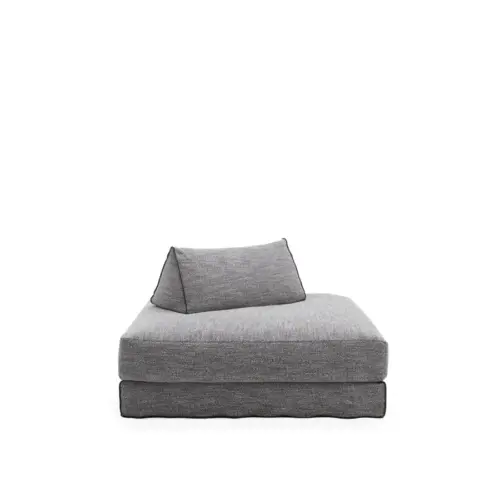
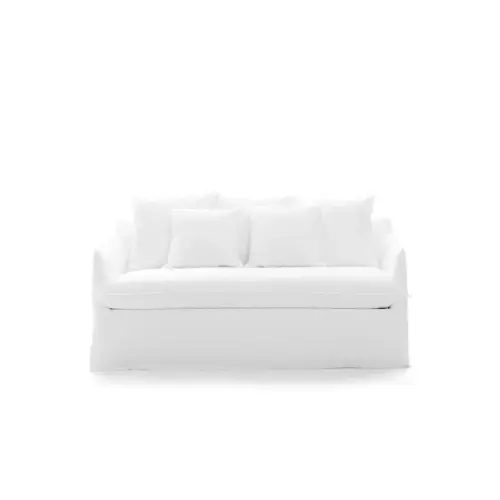
The Ghost sofa bed family combines functionality, comfort, and aesthetics. Available in armchair-bed and sofa bed versions in various sizes, Ghost convertible sofas are built around a lightweight frame of essential volumes. The key feature of Ghost sofa beds is the removable cover, a generously sized cover with a distinctive profile highlighted by visible stitching, allowing for quick and easy removal and replacement of the cover. This textile design effortlessly changes the look, enabling you to transition from an elegant to a casual style with ease.
-
The LC 24 armchair features contrasting materials. A decorative accessory to complete the bedroom area, it has a compact yet inviting shape. It is characterized by legs in natural Canaletto walnut, black, white, gray, ocean, or dove gray, and a removable cover in fabric or faux leather with French stitching.
-
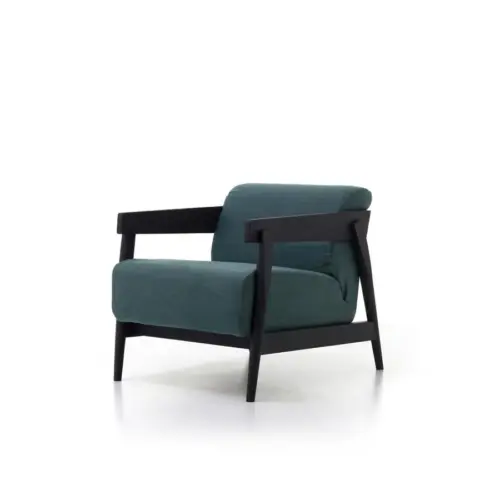
The Brick 305 armchair features a solid wood frame in natural Canaletto walnut, bleached oak, or oak lacquered in white, gray, black, ocean, or dove gray. Its seat and backrest are plush thanks to a single, substantial cushion filled with expanded polyurethane, with a removable cover. The various wooden elements that make up the structure are clearly visible, angled, and overlapping.
-
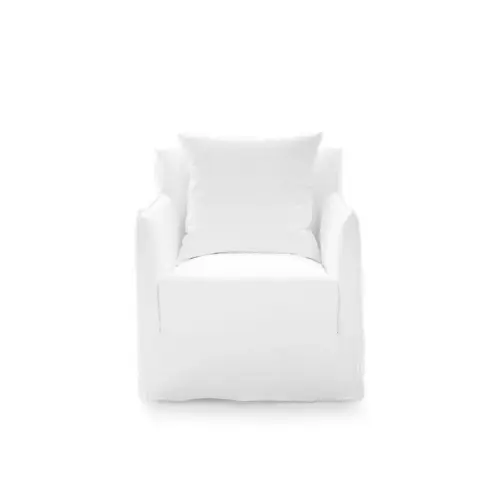
The Ghost family of armchairs features backrests of varying heights and seats of different sizes. They have a minimalist and subtle structure, upholstered in expanded polyurethane and adorned with loose cushions filled with a feather blend. The key feature of the Ghost armchairs is their removable cover—a generously sized slipcover with a distinctive profile accentuated by visible stitching, allowing for quick and easy removal and replacement of the cover. This textile design effortlessly transforms the look, enabling a smooth transition from elegant to casual attire.
-
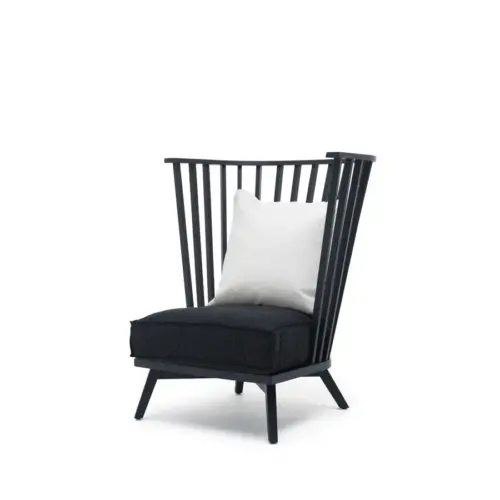
The GRAY 06 bergère is characterized by sinuous lines that evoke classic Nordic style. It is distinguished by a very high and substantial backrest with enveloping lines and wooden slats that create a play of solids and voids. It is enhanced by the pleasing contrast between the essentiality of the walnut or oak frame and the softness of the loose cushions for exceptional comfort.
-
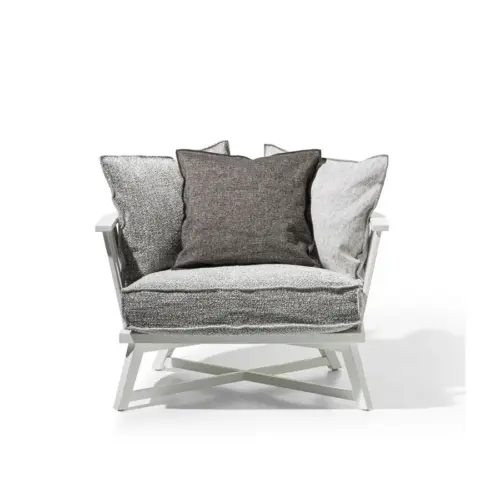
Gray 07 es un sillón de madera cuya característica distintiva es un envolvente respaldo bajo con forma de semicírculo, realizado con duelas. Las patas de madera maciza se intersecan formando una cruz. La estructura está realizada de nogal Canaletto pintado natural, roble blanqueado o roble lacado en blanco, gris, negro, océano o tórtola. Para un mayor confort, un juego de cojines sueltos acentúa su suavidad.
Are you a professional? Contact with us