
-
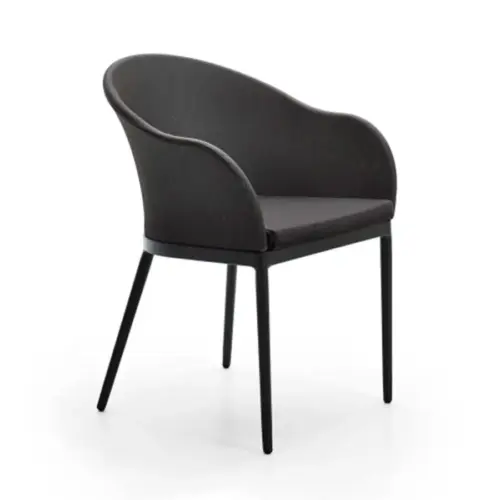
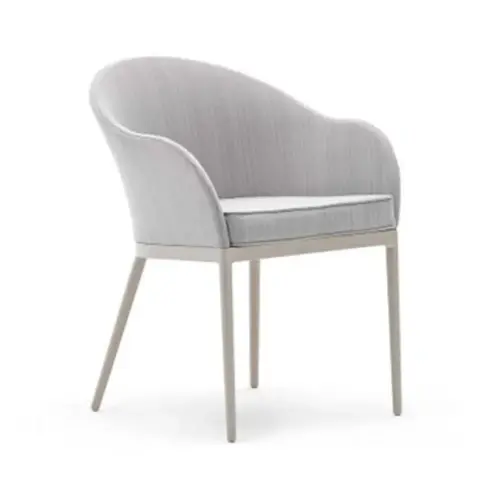
Dining chair with a padded backrest and aluminum frame, upholstered in waterproof acrylic fabric available in various colors. A comfortable armchair with a wraparound padded backrest, ideal for stylishly furnishing the outdoor areas of restaurants and bars.
-
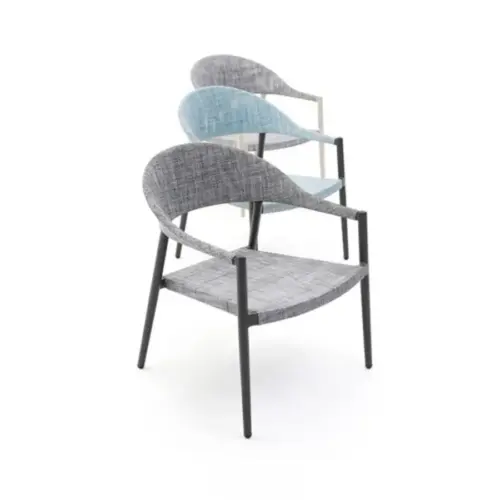
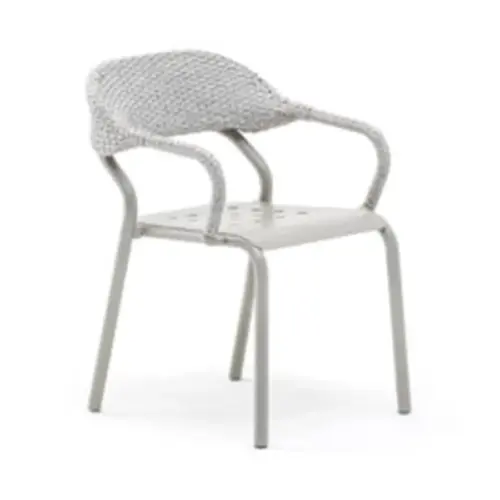
Stackable garden lounge chair in powder-coated aluminum. Seat and backrest upholstered in technical PVC fabric, called VAR#TEX, an exclusive Varaschin patent. The seat and backrest of this smart garden chair are also available in Textilene or hand-woven synthetic cord. This lounge chair is ideal for outdoor use, being especially lightweight and durable. Easy to clean, it is also available with a removable cushion with a waterproof acrylic cover. The comfortable and spacious seats pair perfectly with low tables (65 cm high): ideal for those who want to dine comfortably outdoors and furnish their garden or patio in style.
-
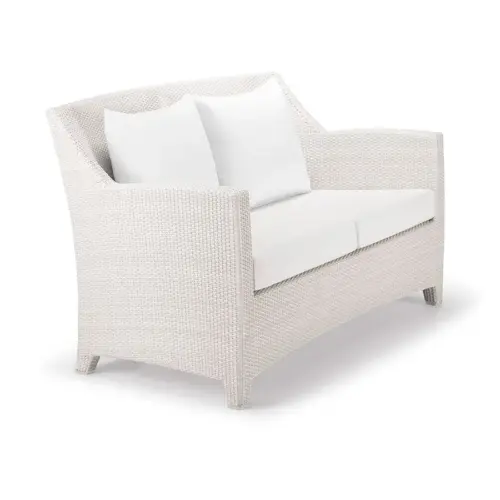
Conceived as a tribute to one of Europe's most dynamic and avant-garde cities, Richard Frinier's BARCELONA collection captures the delicate balance between tradition and modernity that has long defined this metropolis. The collection's generous dimensions and subtle weaving suggest an elegance and attention to detail worthy of the Catalan capital. The compact shapes and generous dimensions contrast with the exquisitely intricate woven design. The dining chairs are paired with tables that stand out for their integrated frosted glass tops. And for dinner with a large group of friends, there's an XXL dining table that comfortably seats up to eight people.
-
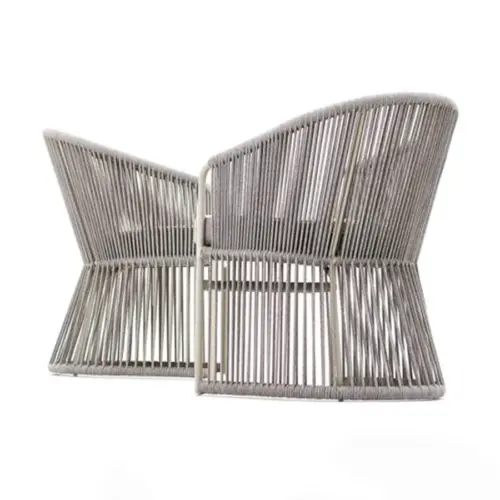
NOSS combines technology and innovation. A structural rope, harmonious and lightweight, yet robust and enveloping, characterizes the design in a perfect balance where soft, inviting lines embrace strength and solidity.
For Noss, the balance between comfort, functionality, and research for innovative design comes together with technologically advanced materials in an alchemy of form and function. This alchemy finds its greatest value in the ancient art of weaving, strongly defining this seat born from the need to combine tradition and modernity. -
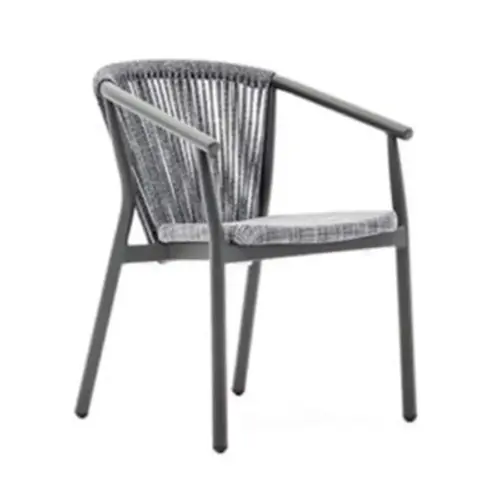
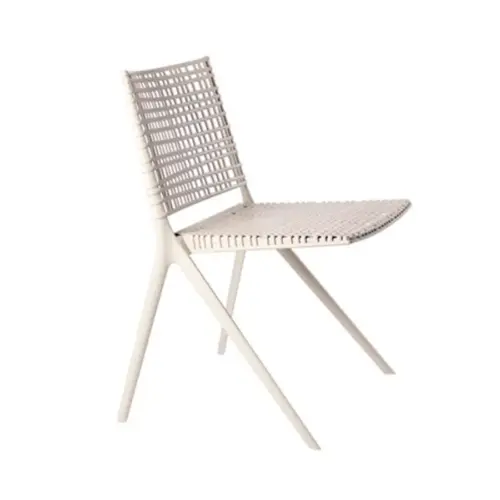
Armchair with a powder-coated aluminum frame, seat in technical PVC mesh (VAR#TEX, an exclusive Varaschin patent), and backrest in VAR#TEX synthetic rope.
The SMART armchair perfectly meets the demands of the contract market: it is lightweight yet extremely durable, highly maneuverable, and easy to stack for transport or storage. Suitable for a wide range of social gatherings and outdoor dining, it is ideal for the contract market. Highly practical and ergonomically designed, SMART balances comfort and convenience. -
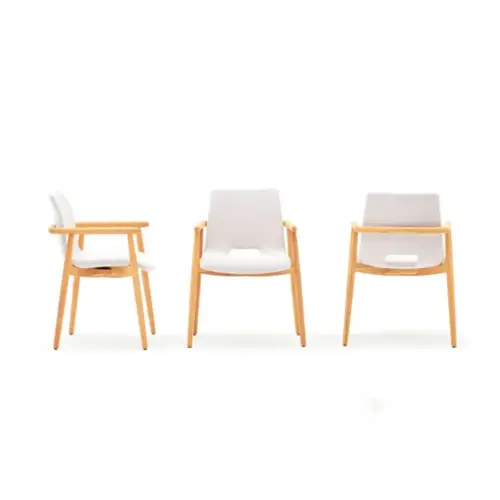
The LAPIS collection armchair stands out for its simple yet elegant design, its clean lines and strong natural appeal, and its solid, certified plantation teak wood frame. The collection's design and materials reflect a concept of raw materials, seamlessly integrating wood with its surroundings: gardens, terraces and balconies, porches, patios, and poolside areas.
-
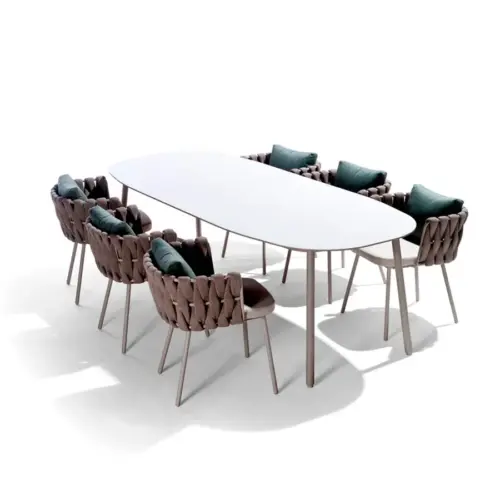
The Tosca outdoor furniture collection is warm and inviting, elegant and intriguing. It was the first time the Belgian outdoor furniture manufacturer Tribù had collaborated with a woman on its designs. Femininity and emotion were the key words in the design of this exclusive outdoor furniture, characterized by a seat with a unique, extra-wide, vertical weave supported by slender, flared legs. The material used for the weaving can only be described as innovative: foam covered with a seamless, woven, tube-shaped cover of textilene and polyolefin. This material has a surprisingly natural appearance, yet is 100% weatherproof. Thanks to the comfortable outdoor cushions, it offers exceptional comfort.
-
Inspired by tree branches, the Branch chair boasts a fluid and organic appearance. Behind its airy, casual look lies a sophisticated design and carefully considered materials. The die-cast aluminum frame is treated with a double layer of powder coating for superior scratch resistance and UV protection. The seat and backrest are made of fiberglass-reinforced polypropylene. The chair offers exceptional comfort thanks to its ergonomically designed back support. Aluminum and polypropylene are excellent outdoor materials, easy to maintain, weather-resistant, and 100% recyclable. The chair is available with or without armrests and is stackable for easy storage.
-
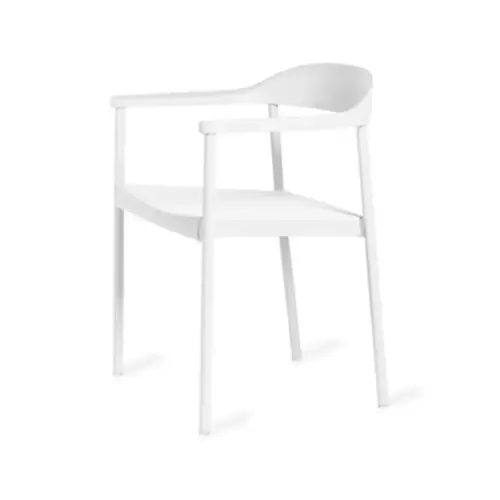
The ILLUM collection is the epitome of classic Scandinavian design, crafted with durable, outdoor-ready materials. Aluminum is used throughout the collection, mimicking sculpted wood and creating delicate transitions from sharp to soft lines. Functionality is paramount for the ILLUM chair, without compromising comfort and style. The ILLUM collection is the epitome of classic Scandinavian design, crafted with durable, outdoor-ready materials. Aluminum is used throughout the collection, mimicking sculpted wood and creating delicate transitions from sharp to soft lines. Functionality is paramount for the ILLUM chair, without compromising comfort and style.
-
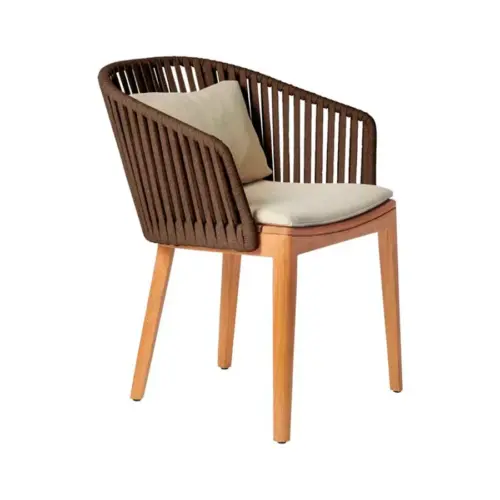
The Mood collection's airy design and warm combination of teak and hand-woven wicker instantly create a special ambiance on your patio. The Tricord weave, available in Linen, Wenge, Moss, Earthbrown, and Stonegrey, is made of polyolefin, an eco-friendly, weather-resistant fiber that offers a natural look and feel. The elegantly finished corners of the table and chairs give the collection a soft and pleasing appearance. For maximum comfort, two types of back cushions are available: a lumbar cushion and a high-back cushion.
Are you a professional? Contact with us