
-
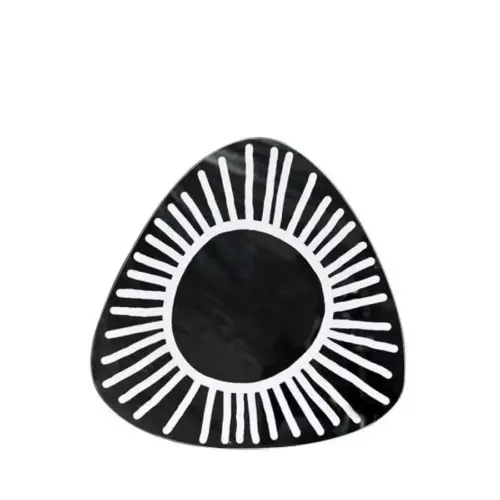
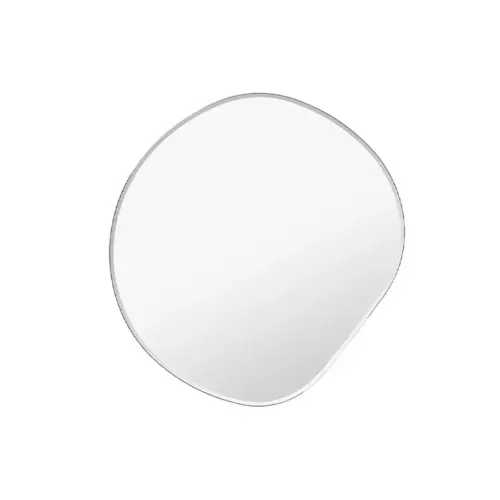
The Sweet 97/98 family of wall mirrors, available in two sizes, is characterized by its rounded and irregular edges. These mirrors possess a strong expressive and decorative presence, thanks to the black or white screen-printed motif that creates intersecting circles or irregular shapes on the surface, forming a play of overlapping lines.
-
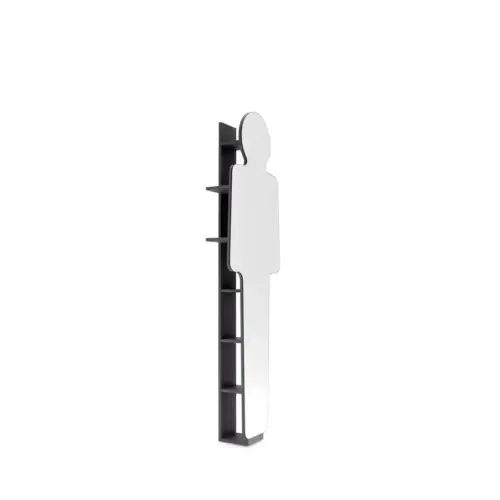
Mirror and cabinet, the LC 97 combines two different functions in a single product. A distinctive design in which a floor mirror, representing a human silhouette, integrates and simultaneously conceals a shelving system in natural, black, white, or gray Canaletto walnut, ocean, or dove gray. Also available without the shelving system.
-
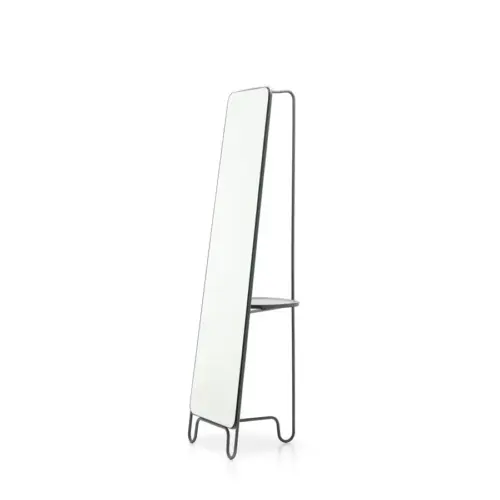
LC 198 is a rectangular floor mirror with a steel rod frame painted white or gray with a matte finish. The steel frame curves at the legs, creating a product with sinuous shapes, and incorporates a shelf in natural Canaletto walnut, black, white, gray, ocean, or dove gray to enhance its functionality.
-
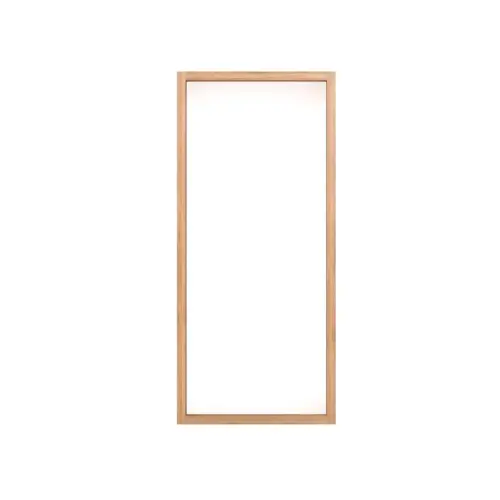
Frame your reflection with the elegant Light Frame oak mirror. Lean this full-length mirror against the wall, or mount it vertically or horizontally. Tall and bold, this mirror generously adds brightness and stature to your living space.
-
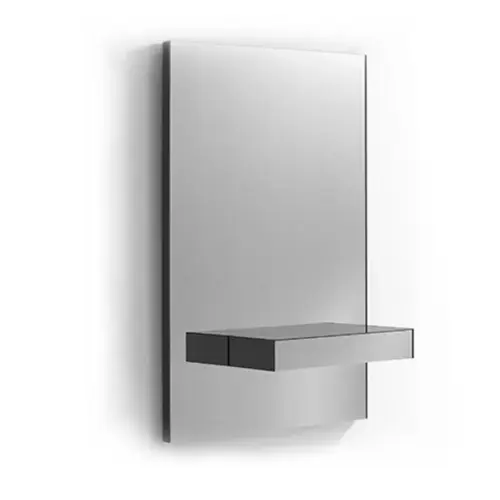
The Grey console collection features a grey smoked mirror back panel and a matching drawer. It stands out for its excellent combination of lightness and elegance, creating a sense of spaciousness in any room.The console offers the possibility of integrating an indirect LED light fixture into the lower base of its drawer, adding warmth and functionality to the design.It's available in two versions, depending on the size of the back panel and the drawer's position, to suit all types of interiors. This minimalist, practical mirrored console table makes a statement.
-
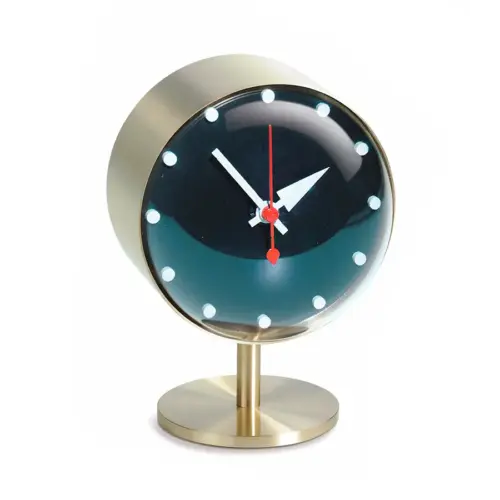
In 1947, American designer George Nelson was commissioned to create a collection of clocks. After studying how people used clocks, Nelson concluded that time could be read by the relative position of the hands, making numbers unnecessary. Furthermore, since most people used wristwatches, he surmised that wall clocks had become purely decorative elements in interiors. These ideas formed the basis of their first collection of 14 pieces, which included wall clocks and small table clocks with a completely new style and were introduced to the market in 1949. Although all models shared a common characteristic – the absence of numbers – the diversity of shapes, colors, materials and designs could not have been greater.
Are you a professional? Contact with us