
-
Discovering an unknown island. The serene scents of an artist's studio, a cane by the sea, and painted wood permeate the atmosphere. Woven from raffia, abaca bark, and driftwood, the new "Eldorado" wallpaper collection features authentic plant-based textures inspired by boundless artistic expression. We savor the authenticity of its reliefs, immersing ourselves in the rich pigments that define it. Eldorado becomes an accessible dream, and this natural energy is a true treasure.
-
A tribute to "dominoterie," the "Domino" collection reinvents geometric and figurative motifs in a 100% non-woven wallcovering collection. Displaying its designs across a wide range of widths, Domino playfully reinterprets the patterns originally created by sheet-printed wallpapers.
-
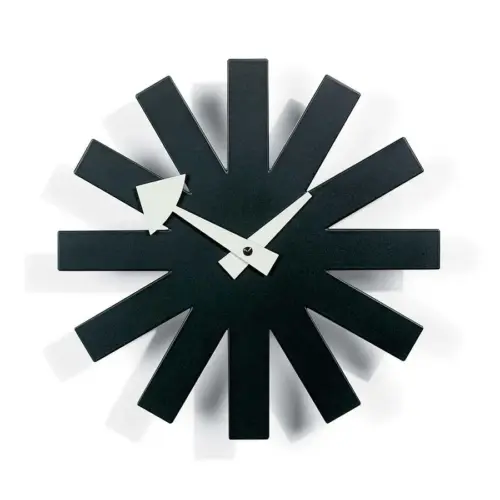
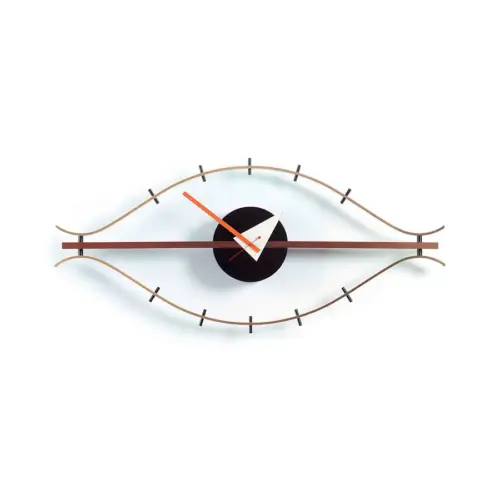
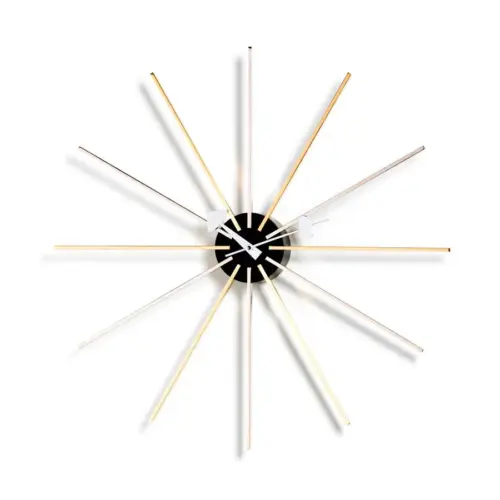
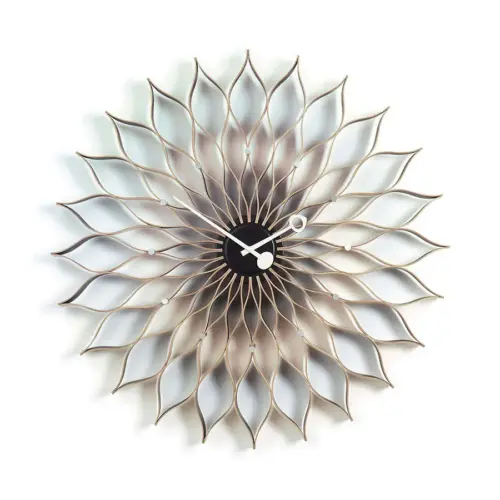
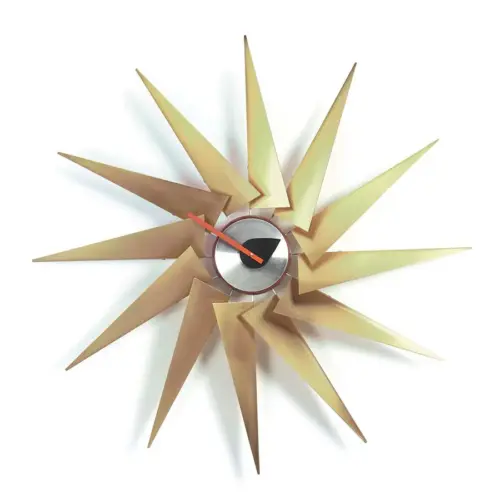
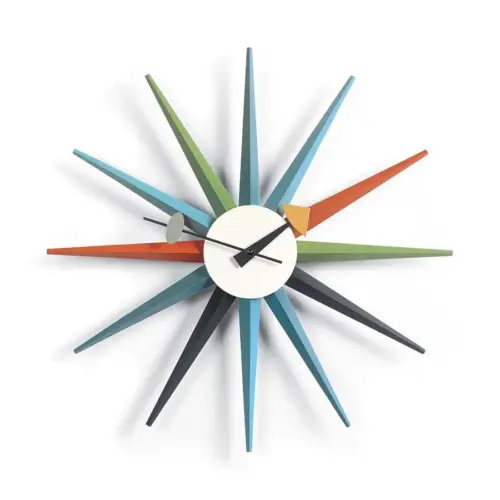
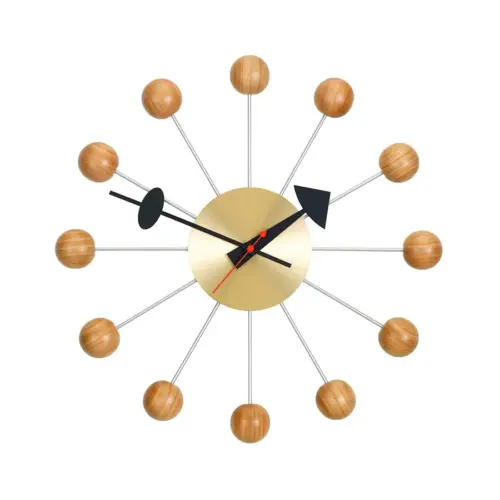
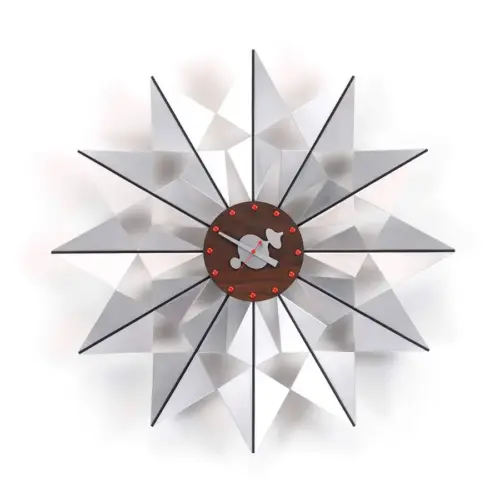
In 1947, American designer George Nelson was commissioned to create a collection of clocks. After studying how people used clocks, Nelson concluded that time could be read by the relative position of the hands, making numbers unnecessary. Furthermore, since most people used wristwatches, he surmised that wall clocks had become purely decorative elements in interiors. These ideas formed the basis of their first collection of 14 pieces, which included wall clocks and small table clocks with a completely new style and were introduced to the market in 1949. Although all models shared a common characteristic – the absence of numbers – the diversity of shapes, colors, materials and designs could not have been greater.
-
In 1947, American designer George Nelson was commissioned to create a collection of clocks. After studying how people used clocks, Nelson concluded that time could be read by the relative position of the hands, making numbers unnecessary. Furthermore, since most people used wristwatches, he surmised that wall clocks had become purely decorative elements in interiors. These ideas formed the basis of their first collection of 14 pieces, which included wall clocks and small table clocks with a completely new style and were introduced to the market in 1949. Although all models shared a common characteristic – the absence of numbers – the diversity of shapes, colors, materials and designs could not have been greater.
-
In 1947, American designer George Nelson was commissioned to create a collection of clocks. After studying how people used clocks, Nelson concluded that time could be read by the relative position of the hands, making numbers unnecessary. Furthermore, since most people used wristwatches, he surmised that wall clocks had become purely decorative elements in interiors. These ideas formed the basis of their first collection of 14 pieces, which included wall clocks and small table clocks with a completely new style and were introduced to the market in 1949. Although all models shared a common characteristic – the absence of numbers – the diversity of shapes, colors, materials and designs could not have been greater.
-
In 1947, American designer George Nelson was commissioned to create a collection of clocks. After studying how people used clocks, Nelson concluded that time could be read by the relative position of the hands, making numbers unnecessary. Furthermore, since most people used wristwatches, he surmised that wall clocks had become purely decorative elements in interiors. These ideas formed the basis of their first collection of 14 pieces, which included wall clocks and small table clocks with a completely new style and were introduced to the market in 1949. Although all models shared a common characteristic – the absence of numbers – the diversity of shapes, colors, materials and designs could not have been greater.
-
In 1947, American designer George Nelson was commissioned to create a collection of clocks. After studying how people used clocks, Nelson concluded that time could be read by the relative position of the hands, making numbers unnecessary. Furthermore, since most people used wristwatches, he surmised that wall clocks had become purely decorative elements in interiors. These ideas formed the basis of their first collection of 14 pieces, which included wall clocks and small table clocks with a completely new style and were introduced to the market in 1949. Although all models shared a common characteristic – the absence of numbers – the diversity of shapes, colors, materials and designs could not have been greater.
-
In 1947, American designer George Nelson was commissioned to create a collection of clocks. After studying how people used clocks, Nelson concluded that time could be read by the relative position of the hands, making numbers unnecessary. Furthermore, since most people used wristwatches, he surmised that wall clocks had become purely decorative elements in interiors. These ideas formed the basis of their first collection of 14 pieces, which included wall clocks and small table clocks with a completely new style and were introduced to the market in 1949. Although all models shared a common characteristic – the absence of numbers – the diversity of shapes, colors, materials and designs could not have been greater.
-
En 1947, el diseñador americano George Nelson recibió el encargo de crear una colección de relojes. Después de estudiar la forma en que la gente utilizaba los relojes, Nelson llegó a la conclusión de que la hora se podía leer según la posición relativa de las agujas, lo que permitía prescindir de los números. Además, como la mayoría utilizaba relojes de pulsera, supuso que los relojes de pared habían pasado a ser elementos decorativos de los interiores. These ideas formed the basis of their first collection of 14 pieces, which included wall clocks and small table clocks with a completely new style and were introduced to the market in 1949. Although all models shared a common characteristic – the absence of numbers – the diversity of shapes, colors, materials and designs could not have been greater.
-
Brothers Ronan and Erwan Bouroullec live and work in Paris. Their work ranges from small everyday objects to architectural projects. Their collaboration with Vitra began in 2000, and since then they have enriched the company's office and home furniture collections with numerous designs.
-
These ideas formed the basis of their first collection of 14 pieces, which included wall clocks and small table clocks with a completely new style and were introduced to the market in 1949. Although all models shared a common characteristic – the absence of numbers – the diversity of shapes, colors, materials and designs could not have been greater.
-
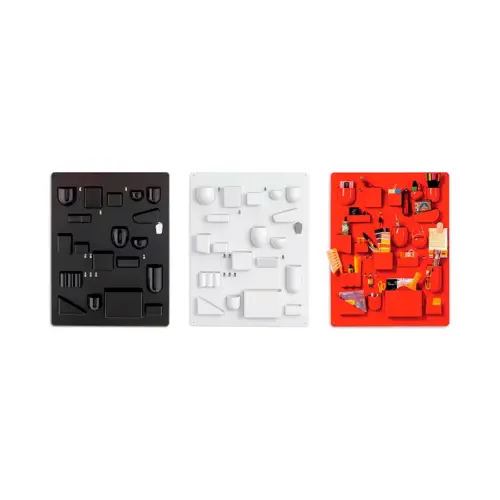
With its containers of various shapes and sizes, hooks, and metal clips, Uten.Silo helps to organize offices, kitchens, workshops, bathrooms, and children's rooms. Uten.Silo has been available in its original size (Uten.Silo I) since 1969, as well as in a smaller version launched in 1970 (Uten.Silo II) in three colors: white, red, and black.
Are you a professional? Contact with us